
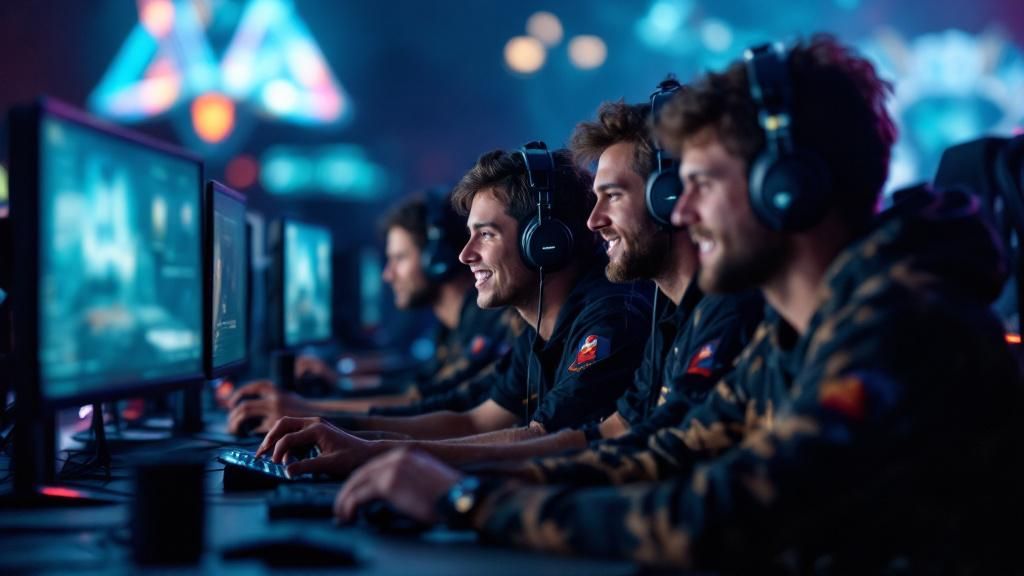
In an ever more connected world, mobile gaming has transcended mere entertainment to function as a significant driver for genuine human connection. Tournament competition across gaming platforms like PUBG Mobile and Call of Duty: Mobile has fostered flourishing worldwide communities where players forge meaningful friendships whilst battling for supremacy. This piece examines how competitive gaming tournaments bring people together across continents, examining the emotional connections created by common interest, collaborative teamwork, and the universal language of competition that transforms casual gamers into enduring friends.
The Growth of Mobile Gaming Groups
The rapid expansion of smartphones and better internet connectivity has transformed the gaming landscape, enabling millions of players worldwide to take part in competitive multiplayer experiences from almost any location. What commenced as simple casual gaming has developed into a advanced ecosystem of structured communities, professional tournaments, and purpose-built platforms. Mobile gaming communities have grown exponentially, with titles such as PUBG Mobile, Clash Royale, and Call of Duty: Mobile engaging hundreds of millions of active players. This remarkable scale has generated unparalleled opportunities for social interaction and competitive engagement on a international level.
These flourishing communities have substantially altered how gamers interact and build relationships. Rather than disconnected play, mobile gaming now facilitates collaborative networks where players from diverse geographical and cultural backgrounds come together over shared interests. Tournament structures, leaderboards, and ranked systems have established formal play, creating defined pathways for improvement and acknowledgement. The availability of mobile devices has democratised competitive gaming, breaking down established barriers to entry and enabling emerging players to display their abilities internationally. Consequently, connections made within these communities often transcend the digital realm, developing into genuine meaningful relationships.
Developing Long-term Bonds By Way of Competitive Activities
Competitive tournament play serves as a notable catalyst for forging authentic connections amongst mobile gamers around the world. When players compete alongside one another in organised tournaments, they experience mutual wins and setbacks that create profound emotional connections. These experiences transcend geographical boundaries, allowing individuals from different cultural backgrounds to understand each other fundamentally. The intensity of competitive play cultivates mutual respect and understanding between participants, converting casual players into trusted teammates and lifelong companions who mark triumphs as one and stand by each other through challenges.
The collaborative nature of squad competitions enhances friendship development exponentially. Players must communicate effectively, create plans together, and trust in each other’s skills and expertise. This shared dependence fosters trust and camaraderie that reaches far further than individual matches. Squad members create shared humour, shared memories, and feelings of inclusion within their gaming circles. The frequent engagement required for event planning reinforces these relationships progressively, establishing friendship groups that provide psychological backing, shared gaming experiences, and genuine friendship that many participants value as highly as their offline relationships.
Tournament wins and losses alike contribute meaningfully to building friendships. Recognising successes together reinforces group cohesion, whilst handling setbacks jointly fosters emotional strength and understanding. Players learn to appreciate each other’s strengths, adjust to shortcomings, and collaborate effectively towards shared goals. These shared experiences establish a lasting base for long-term friendships that frequently thrive across various games and reach into wider social connections, showcasing competition’s unique ability to connect people authentically.
Worldwide Event Frameworks and Competitive Play
The landscape of mobile esports competitions has evolved dramatically over the past decade, developing sophisticated organisational frameworks that facilitate competition on an unprecedented global scale. Major esports organisations and software creators have invested substantially in establishing organised competitive frameworks, geographical selection tournaments, and worldwide tournaments that cater to vast numbers of competitors globally. These contests function across different divisions, from grassroots community competitions to professionally sanctioned events offering considerable prize money. The consistent rule sets maintain equitable play whilst enabling participants from various countries to face each other, cultivating a sense of belonging within the larger competitive environment and proving that skill transcends borders and cultural differences.
Tournament competition formats have become instrumental in creating clear advancement routes for aspiring professional gamers and casual enthusiasts alike. Ranked seasons, ladder systems, and achievement-based advancement mechanisms encourage ongoing participation and personal improvement amongst players. The openness of competitive play—where performance metrics are shown to everyone and accomplishments are universally recognised—creates an environment of meritocracy that attracts players seeking acknowledgement and status. Furthermore, the incorporation of broadcast streaming services and viewing features has revolutionised mobile gaming tournaments into shared experiences, enabling millions of observers to watch thrilling matches whilst at the same time strengthening the bonds between players and fans who rejoice in wins and commiserate defeats together.
The Social Repercussions of Formalised Gaming Tournaments
Formalised gaming competitions have fundamentally transformed how competitors understand competitive play and social connection. These competitive events serve as catalysts for meaningful interactions, surpassing geographical boundaries and cultural differences. When players participate on a international level, they experience a collective feeling of direction that strengthens interpersonal bonds. The organised framework of organised tournaments creates chances for players to showcase their skills whilst simultaneously earning recognition from competitors. This setting fosters real connections that often extend beyond the gaming arena into daily existence, illustrating how organised tournaments serve as meaningful relationship builders in the digital age.
The cascading impacts of these esports competitions reach across broader societies, encouraging next-generation participants and creating mentors within the competitive gaming landscape. Elite-level events streamed globally prove that gaming holds genuine cultural value, motivating competitors to commit meaningfully in their social circles. Players frequently report that competitive involvement has enhanced their self-assurance and collaborative competence with varied communities. Moreover, the sponsorship and media coverage surrounding major events affirm gaming as a legitimate social activity, encouraging families and friends to support competitive players. This validation reshapes individual gaming pursuits into acclaimed community moments that reinforce relationships across nations.
